
TRADE SHOWS
Your Trade Show Content Shouldn't Start and End at the Booth
Trade show content can do more than fill a screen for three days. Here is how to plan it before, during, and after the event.
Jul 31, 2026 · 6 min read · By Breeze Animation
Many companies create digital content for a trade show and use it only during the event. The booth is designed. Teams install the screens. The visual content is produced. The event takes place for a few days. Then the booth is packed, the screen content is stored, and the marketing team moves on to the next project.
But this approach often misses a bigger opportunity.
Trade show content should not be treated as a one-time asset. When planned correctly, it can become part of a broader marketing campaign that starts before the show, creates interest on social media, supports the booth experience during the event, and continues the conversation after the show is over.
The booth may be the physical destination, but the visitor journey can begin much earlier.
Before the Show: Building Anticipation
Before the event, digital content can help build awareness, anticipation, and curiosity. Short visual teasers, product animations, booth announcements, behind-the-scenes content, countdown posts, and LinkedIn videos can start introducing the message before visitors arrive at the show.
Instead of simply announcing, “Visit us at Booth #,” companies can give people a reason to care. They can show a glimpse of what will be presented. They can introduce the product story. Sometimes they can reveal part of the visual concept. They can create curiosity around a new launch, a new experience, a live demo, or a key booth moment that visitors will later see in person.
This creates continuity. When visitors see a visual idea on social media before the show and then recognize the same visual language at the booth, the experience becomes more familiar and more memorable. The booth does not feel disconnected from the campaign. It feels like the next step in the same story.
During the Show: Part of the Live Experience
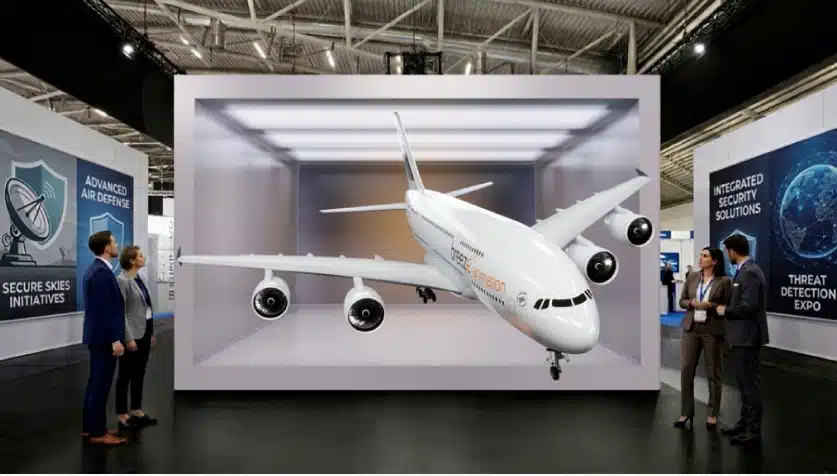
During the show, the content becomes part of the live experience. The same visual assets that helped create interest before the event can now appear on booth screens, LED walls, kiosks, presentations, sales tools, and social updates from the show floor. They can help attract visitors, support conversations, explain the message, and create a consistent brand experience across the physical space.
This is especially important in a busy trade show environment. Visitors meet many companies, see many messages, and collect a lot of information in a short period of time. A clear and consistent visual language can help a brand become easier to recognize and easier to remember.
The same concept can also extend into physical touchpoints inside the booth. For example, a giveaway does not have to be a random branded item. It can be connected to the same visual concept, message, product story, or digital experience created for the booth. This makes the giveaway feel like part of the campaign rather than a separate promotional object.
A visual theme shown on social media can appear on the booth screen, continue in the interactive experience, and then be reflected in the giveaway visitors take with them. This kind of connection helps turn separate marketing elements into one coherent experience.
After the Show: The Content Keeps Working
But the value of the content does not end when the show ends. After the event, the same assets can continue working. Short clips from the booth experience can be used in follow-up emails. Product animations can be sent to prospects. Visual highlights can be shared on social media. Sales teams can use the content in meetings. The marketing team can turn the booth story into posts, ads, landing pages, case studies, or campaign materials.
Post-show social content is especially important. It can show booth highlights, visitor engagement, product moments, team activity, event takeaways, or short recap videos. It can also help reach people who did not attend the event but are still part of the target market. In this way, the trade show becomes content fuel for a much wider audience.
This gives the content a longer life. Instead of creating a screen loop for three days, companies can create a content system that supports the entire trade show cycle: before, during, and after the event.
A More Strategic Investment
This also makes the investment more strategic. A strong visual concept can be adapted into multiple formats. A main booth animation can become social media teasers. A product reveal can become a short LinkedIn video. An interactive booth experience can support post-show sales conversations. A visual language created for the event can continue into future campaigns.
The key is to plan this from the beginning. If the content is created only for the booth screen, it may be difficult to reuse later. But if the content is planned as a flexible set of assets, it can support multiple touchpoints across the marketing and sales journey.
Before the show, it can create interest. During the show, it can support the experience. After the show, it can continue the conversation.
Bottom Line
This way, the trade show becomes more than a few days on the calendar. It becomes a campaign moment. The booth is still important. The physical experience still matters. But the most effective trade show strategies connect the booth to a larger content ecosystem.
Because visitors do not only experience a brand while standing in front of the booth. They experience it before they arrive, while they are there, and after they leave.
When digital content is planned with that full journey in mind, it can do much more than fill a screen. It can help turn a trade show presence into a connected marketing and sales experience.
Frequently Asked Questions
Quick answers about extending trade show content beyond the event itself.
When should we start creating content for a trade show?
Ideally, planning should begin as soon as the booth concept is confirmed, well before the event date. This allows enough time to create pre-show teasers, coordinate the visual language across the booth and social channels, and plan how the same assets will be reused after the show.
What kind of content works best for post-show marketing?
Short recap videos, booth highlight clips, product moment footage, and visitor engagement content tend to perform well. These formats work across social media, follow-up emails, and sales conversations, helping the trade show reach people who did not attend in person.
Ready to Turn Your Trade Show Into a Full Campaign?
We help exhibitors plan visual content that works before, during, and after the show, not just for three days on the floor.